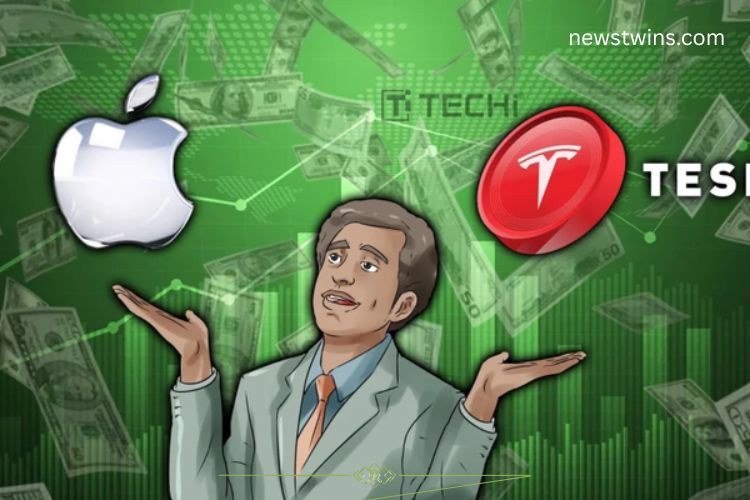
Choosing between Apple and Tesla is not the same as picking an iPhone over an electric vehicle. These two companies represent vastly different visions of technology, growth, and investment philosophy. Both are members of the elite “Magnificent Seven,” commanding global influence and boasting a combined market value measured in trillions of dollars. As of the most recent updates in August 2025, investors worldwide continue to debate a critical question: which stock stands stronger today, and which one holds the edge for future dominance?
This comparison goes beyond brand loyalty. It examines business models, valuations, risks, and long-term potential to determine whether Apple or Tesla better aligns with an investor’s goals.
Apple vs. Tesla: Two Titans, Two Very Different Paths
Apple and Tesla dominate headlines, but their journeys and strategies could not be more different. Apple sits at the peak of consumer technology, powered by a tightly integrated ecosystem of devices, software, and services. Tesla, on the other hand, positions itself as a future-focused disruptor, reshaping transportation through electric vehicles, artificial intelligence, robotics, and autonomous driving.
Related News


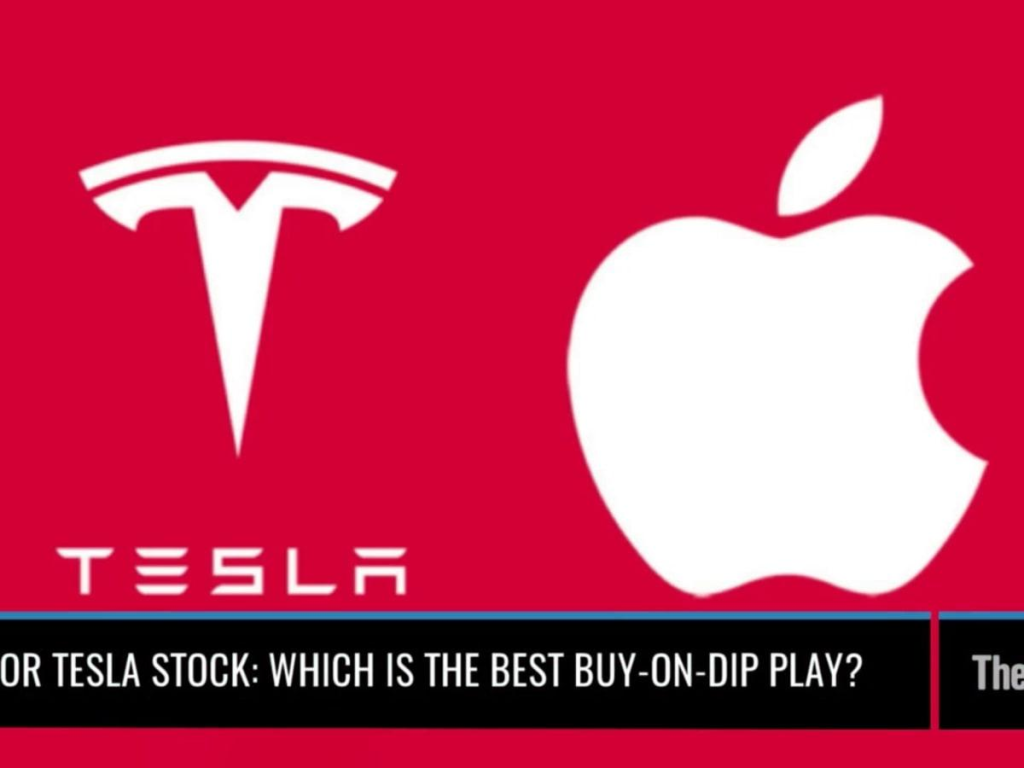
While Apple refines and monetizes what it already does exceptionally well, Tesla aggressively bets on technologies that promise to redefine entire industries. This contrast defines the risk-reward equation investors must consider.
Key Stock Metrics at a Glance
Apple Snapshot
- Stock Price: $203.40
- Market Capitalization: $3.04 trillion
- 52-Week Range: $169.21 – $260.10
- P/E Ratio: 31.07
Tesla Snapshot
- Stock Price: $308.95
- Market Capitalization: $997.5 billion
- 52-Week Range: $191.48 – $488.54
- P/E Ratio: 178.34
Apple’s valuation surpasses nearly every company on the planet, reflecting its unmatched scale and profitability. Tesla, while smaller by comparison, still approaches the trillion-dollar mark, eclipsing every traditional automaker by a wide margin.
Related News
Tesla: High Ambition, High Expectations
Tesla represents one of the boldest growth stories in modern markets. Built on innovation, ambition, and relentless disruption, the company has redefined what an automaker can be. Its valuation, however, tells a story of extreme optimism. A P/E ratio above 178 suggests investors expect explosive future earnings that far exceed today’s results.
Recent performance highlights the tension between promise and reality. During the second quarter of 2025, Tesla reported a 13.5% year-over-year decline in vehicle deliveries, producing 384,122 vehicles compared to 443,956 the previous year. This slowdown unsettled markets and raised concerns about demand, competition, and pricing pressure in the electric vehicle space.
Despite these challenges, Tesla continues to push forward. Its long-term vision centers on autonomous driving, AI-powered robotics, and energy solutions. Supporters argue that Tesla should not be valued as a car company but as a technology platform with multiple future revenue streams. Critics counter that regulatory hurdles, technical limitations, and rising competition could delay or derail these ambitions.
Tesla’s Market Position and Leadership Risk
Tesla’s market capitalization exceeds that of Ford and General Motors combined, underscoring how differently investors view its potential. Still, concerns persist. The company operates in an increasingly crowded EV market, faces margin pressure, and relies heavily on the vision and leadership of Elon Musk, a figure admired by supporters but viewed as unpredictable by skeptics.
Related News
Cash flow consistency remains another concern. Unlike mature tech giants, Tesla reinvests heavily, leaving less room for error if growth slows or innovation timelines slip. For investors, Tesla represents a calculated gamble on a future that has not fully arrived.
Apple: Stability, Scale, and Relentless Profitability
Apple tells a very different story. It represents stability, discipline, and execution at an elite level. Its ecosystem spans hardware, software, and services, creating a powerful feedback loop of customer loyalty and recurring revenue. With hundreds of millions of active users worldwide, Apple benefits from scale that few companies can match.
Its P/E ratio of just over 31 reflects a more grounded valuation, supported by massive cash reserves and consistent profitability. Apple may not deliver dramatic surprises every year, but it reliably generates enormous free cash flow.
Recent strategic decisions highlight this discipline. Apple’s cancellation of its long-running electric car project signaled a willingness to walk away from costly ventures that lacked clear returns. While products like the Apple Vision Pro generated early excitement, Apple’s real strength remains its ability to monetize its existing ecosystem rather than chase speculative breakthroughs.
Why Apple Appeals to Long-Term Investors
Apple stands as one of the safest large-cap technology investments available. Its global brand power, supply chain expertise, and operational efficiency reduce exposure to sudden shocks. Unlike Tesla, Apple faces fewer regulatory landmines and less public volatility tied to leadership behavior.
Even without headline-grabbing innovation, Apple rewards shareholders through stock buybacks, dividends, and steady appreciation. Conservative and institutional investors often view Apple as a core holding, especially in technology-heavy portfolios.
Expert Perspectives on Apple vs. Tesla
Market analysts remain divided but consistent in one theme: the choice depends on risk tolerance. Some experts emphasize that Tesla still needs to prove its ability to dominate beyond electric vehicles and turn futuristic promises into scalable profits. Others highlight Apple’s balance sheet strength, leadership stability, and proven ability to adapt without sacrificing margins.
Apple often earns praise for being a “leadership stock,” trusted across market cycles. Tesla, by contrast, attracts investors willing to endure volatility in exchange for potentially outsized returns.
Growth Philosophy: Vision vs. Execution
Tesla operates with a “moonshot” mindset. Its strategy focuses on being first, bold, and disruptive. If successful, the payoff could be enormous. If not, valuation compression could be swift and painful.
Apple focuses on refinement and execution. It bets on incremental innovation, ecosystem expansion, and operational excellence. This approach may feel less exciting, but it has delivered remarkable consistency over decades.
Risk and Reward: Choosing the Right Fit
Tesla’s stock reacts sharply to news, earnings, regulatory developments, and even social media activity. Small disappointments can trigger large sell-offs, while optimism can fuel powerful rallies. The potential upside is significant, but so is the downside.
Apple offers a calmer ride. Its stock rarely delivers explosive gains overnight, but its resilience during market downturns makes it a cornerstone for risk-aware investors. Apple prioritizes preservation of capital alongside growth.
Frequently Asked Questions:
Which stock is considered safer: Apple or Tesla?
Apple is widely viewed as the safer investment due to its stable earnings, massive cash reserves, and diversified revenue streams. Its long track record of consistent performance makes it appealing to risk-averse investors.
Why does Tesla have a much higher valuation multiple than Apple?
Tesla’s higher valuation reflects strong investor expectations for future growth in electric vehicles, artificial intelligence, and autonomous technology. The market prices Tesla based on long-term potential rather than current earnings.
Is Apple still a good growth stock in 2025?
Yes, Apple remains a solid growth stock, driven by its expanding services business, loyal user base, and continuous ecosystem upgrades. While growth is steadier than Tesla’s, it is more predictable and sustainable.
Does Tesla’s volatility make it risky for long-term investors?
Tesla’s stock is more volatile, which increases risk in the short term. However, long-term investors who believe in Tesla’s innovation roadmap may view this volatility as an opportunity rather than a drawback.
Which stock is better for dividend investors?
Apple is the better choice for dividend-focused investors, as it consistently pays and increases dividends. Tesla does not currently offer dividends, reinvesting profits to fuel growth.
Can Apple compete with Tesla in artificial intelligence?
Apple approaches AI differently, focusing on privacy-centered, on-device intelligence integrated into its ecosystem. While less flashy, Apple’s AI strategy supports long-term user retention and monetization.
Is Tesla more than just a car company?
Yes, Tesla positions itself as a technology and energy company, with ambitions in AI, robotics, self-driving software, and energy storage. These future-focused initiatives play a major role in its valuation.
Conclusion
Choosing between Apple and Tesla is not just a matter of picking a stock—it’s a decision about your investment philosophy. Tesla represents high-risk, high-reward growth potential, fueled by innovation in electric vehicles, AI, and autonomous technology. Apple, in contrast, offers stability, consistent profits, and a proven ecosystem that continues to generate long-term value. For aggressive investors willing to embrace volatility, Tesla could deliver extraordinary returns if its futuristic vision succeeds. For those seeking reliability and steady growth, Apple remains a cornerstone of any technology-focused portfolio. Ultimately, the smarter choice depends on your financial goals, risk tolerance, and investment horizon.