
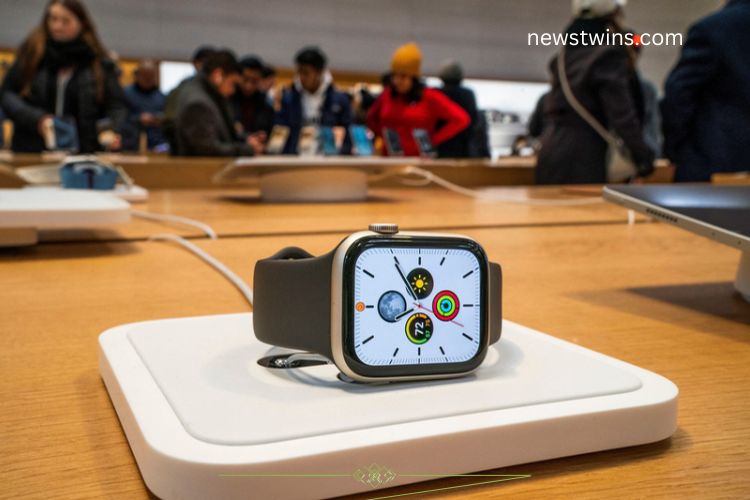
Apple Watch has become one of the most popular smartwatches worldwide, blending cutting-edge technology with sleek design. From fitness tracking to notifications and advanced health features, Apple Watch has cemented itself as a must-have accessory for tech enthusiasts and everyday users alike. But while consumers often focus on the retail price, a fascinating question arises: how much does it actually cost Apple to manufacture one of these high-demand smartwatches?
Read More: Nvidia Stock: A Decade of Explosive Growth, Triumphs, and Market Shifts
The Retail Price vs. Production Cost
Depending on the model and style, an Apple Watch can cost anywhere from a few hundred dollars to several thousand. Factors such as materials, size, and special editions like the Apple Watch Edition drive the price up significantly. Yet, industry reports reveal a striking disparity between the retail price and actual production cost.
According to data from IHS Technology, Apple spends less than $84 to produce a single Apple Watch. Considering that many models retail for several hundred dollars, this means that production costs account for less than a quarter of the smartwatch’s retail price. In other words, Apple’s profit margins on each device are substantial.
Related News



Breaking Down the Production Costs
The cost of producing an Apple Watch includes components, assembly, and logistics. The smartwatch’s core features—such as the processor, display, battery, sensors, and casing—make up the bulk of these costs.
Components: The heart of the Apple Watch lies in its processor, sensors, and display. High-quality OLED screens, custom silicon chips, and advanced health sensors are expensive to develop, but Apple sources these components at scale, reducing per-unit cost.



Assembly and Manufacturing: Apple relies on partners like Foxconn and other contract manufacturers to assemble the watches. Labor costs are kept relatively low due to efficient production processes and large-scale operations.
Software and Ecosystem: While software development is a separate investment, each Apple Watch benefits from Apple’s ecosystem of apps, updates, and cloud services. This increases perceived value without significantly increasing production costs.
Logistics and Packaging: Shipping, distribution, and packaging are included in the production estimate. Apple ensures premium unboxing experiences, which contribute to brand loyalty but only add a small fraction to overall costs.
The Profit Margin Puzzle
If Apple spends under $84 to make a watch that sells for hundreds of dollars, the profit margin is enormous. High margins are one reason Apple maintains its position as one of the most profitable tech companies globally.



Apple’s pricing strategy reflects more than just production costs. It includes brand positioning, perceived value, and ecosystem lock-in. Customers pay for the Apple experience: seamless integration with iPhones, iPads, and Macs, as well as access to Apple Fitness+, Apple Pay, and health monitoring features. These intangible benefits allow Apple to command premium prices far above the actual manufacturing cost.
Why Consumers Pay More
Many consumers accept high prices for Apple products because they offer reliability, design excellence, and a robust ecosystem. The Apple Watch isn’t just a timepiece—it’s a lifestyle product. Users can track workouts, monitor heart rates, receive notifications, and even detect falls or irregular heart rhythms.
The smartwatch’s reputation for quality also plays a significant role in pricing. Apple carefully controls its brand image, ensuring each product delivers a sense of luxury and innovation. As a result, even if the manufacturing cost is low, consumers perceive value far beyond the numbers.
Comparing Apple Watch to Other Smartwatches
Apple isn’t the only player in the smartwatch market, but its production costs and pricing strategies differ from competitors. Many Android-based smartwatches have lower retail prices, but Apple manages to maintain higher profit margins due to economies of scale, brand loyalty, and premium positioning.
For example, a smartwatch from a competing brand might cost $100–$200 to produce and sell at $250–$300, while Apple’s production cost remains under $84 even for a base model priced at $399. This efficiency allows Apple to reinvest profits into research and development, marketing, and expanding its ecosystem.
The Role of Materials and Technology
Apple carefully selects materials to balance cost, durability, and luxury appeal. Stainless steel, aluminum, ceramic, and sapphire crystal components give the Apple Watch a premium look without dramatically increasing production costs.
Advanced technologies also contribute to cost efficiency. Custom silicon chips, compact sensors, and high-density batteries allow Apple to pack powerful features into a small form factor. By developing proprietary technology, Apple reduces reliance on third-party components and gains better control over both cost and performance.
The Hidden Costs: R&D and Marketing
While the production cost of an Apple Watch is under $84, Apple invests heavily in research and development (R&D) and marketing. R&D includes designing new health sensors, improving battery life, and creating intuitive software. These investments are significant but are not included in the per-unit manufacturing cost.
Marketing also plays a crucial role in shaping consumer perception. Apple’s iconic advertising campaigns, product launches, and retail store experiences create a sense of exclusivity and desirability, encouraging customers to pay premium prices.
Why Apple’s Strategy Works
Apple’s strategy works because it focuses on value creation rather than cost-cutting alone. By delivering high-quality hardware, seamless software, and unmatched ecosystem integration, Apple makes consumers willing to pay far more than the production cost.
Additionally, the low production cost gives Apple flexibility in pricing strategies. The company can release entry-level models at competitive prices while maintaining high margins on premium editions. This balance ensures broad market reach and sustained profitability.
Frequently Asked Questions:
How much does it actually cost Apple to make an Apple Watch?
Apple spends less than $84 to manufacture a single Apple Watch, including components, assembly, and packaging. This is significantly lower than the retail price, allowing Apple to maintain high profit margins.
Why is the Apple Watch so expensive if production costs are low?
The retail price reflects brand value, research and development, software integration, marketing, and the premium Apple ecosystem. Consumers pay for the experience, reliability, and advanced features, not just the materials.
What components make up the Apple Watch’s production cost?
The main components include the processor, display, sensors, battery, casing, and assembly. Apple’s scale allows it to source these parts efficiently, keeping costs relatively low.
How does Apple’s profit margin on the Apple Watch compare to other smartwatches?
Apple enjoys higher profit margins than most competitors due to its strong brand, premium pricing strategy, and efficient production. Many Android smartwatches have lower margins and sell at prices closer to their production cost.
Does the $84 cost include research and development?
No. The $84 figure only covers manufacturing costs. R&D, software development, marketing, and logistics are separate investments that contribute to the overall expense but are not included in the per-unit production cost.
Are all Apple Watch models equally cheap to produce?
No. Premium models, such as the stainless steel or ceramic editions, have higher production costs due to more expensive materials. However, even these models have production costs far below their retail price.
How does Apple keep production costs so low?
Apple leverages large-scale manufacturing, efficient assembly processes, strategic supplier relationships, and proprietary technology to reduce production costs without compromising quality.
Conclusion
The Apple Watch is more than just a smartwatch—it’s a symbol of innovation, luxury, and seamless integration within Apple’s ecosystem. While it costs Apple less than $84 to produce a single unit, consumers willingly pay hundreds for the experience, reliability, and advanced features it delivers. This striking gap between production cost and retail price highlights Apple’s mastery of brand value, marketing, and product design. By focusing on user experience, cutting-edge technology, and a tightly controlled ecosystem, Apple turns a modest manufacturing investment into a premium product with massive profit margins.