
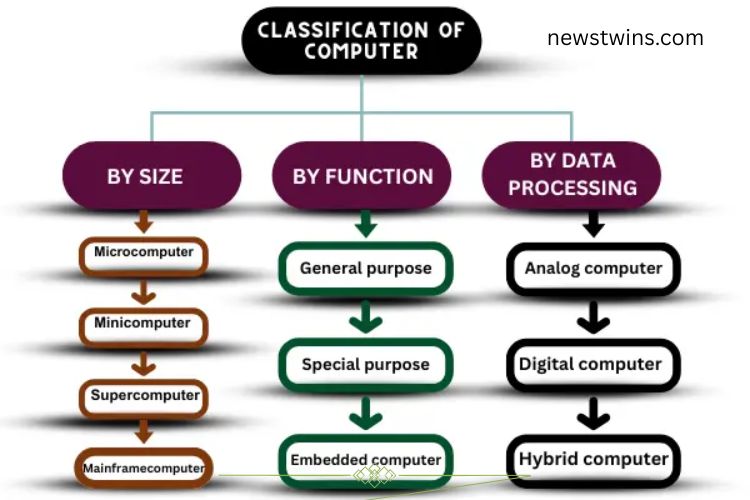
Computers have become an essential part of modern life, powering everything from personal work to scientific research. Understanding the classification of computers helps us choose the right type for specific tasks, whether it’s gaming, designing, or handling complex calculations. Computers can be grouped based on their size, data processing ability, or function, making it easier to identify their strengths and applications.
Read More: Unleashing the Mighty Power of RAM: Essential Functions That Supercharge Your Device
Classification Based on Size
Grouping computers by size allows us to see their capabilities and intended users. The main categories include microcomputers, minicomputers, mainframes, and supercomputers.
Microcomputers
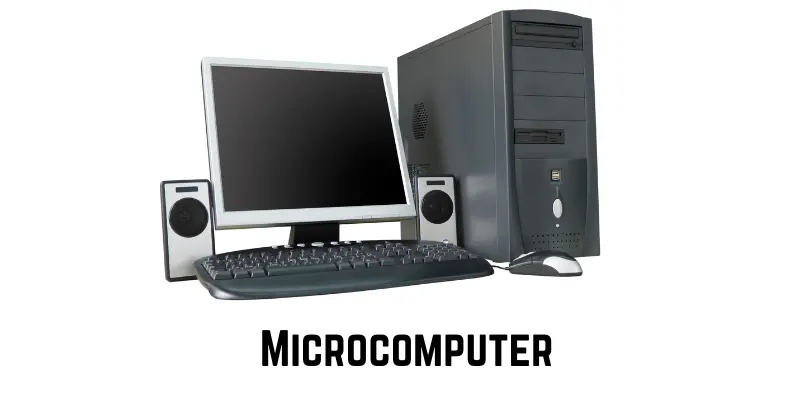
Microcomputers, also called personal computers (PCs), are small and designed for individual use. They are user-friendly, portable, and capable of performing tasks like typing, browsing the internet, and playing games. Typical microcomputers include a keyboard, monitor, and CPU, forming a compact system that can handle everyday computing efficiently.


Minicomputers
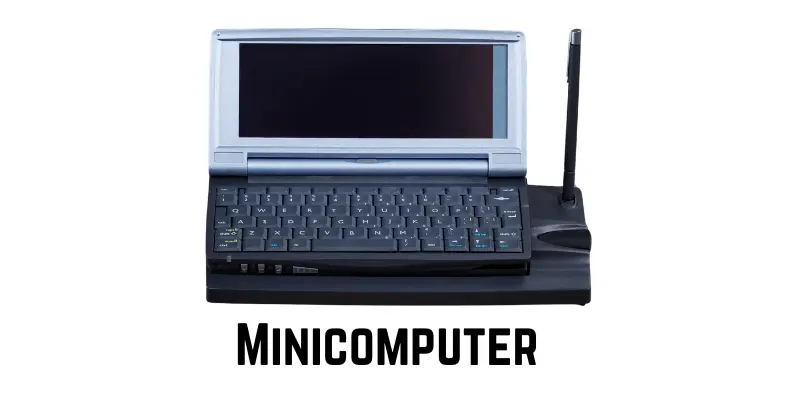
Minicomputers are medium-sized machines that are more powerful than microcomputers but smaller than mainframes. They can handle multiple tasks simultaneously and support several users at once. Small businesses often rely on minicomputers for data processing, application hosting, and running internal networks.
Mainframe Computers
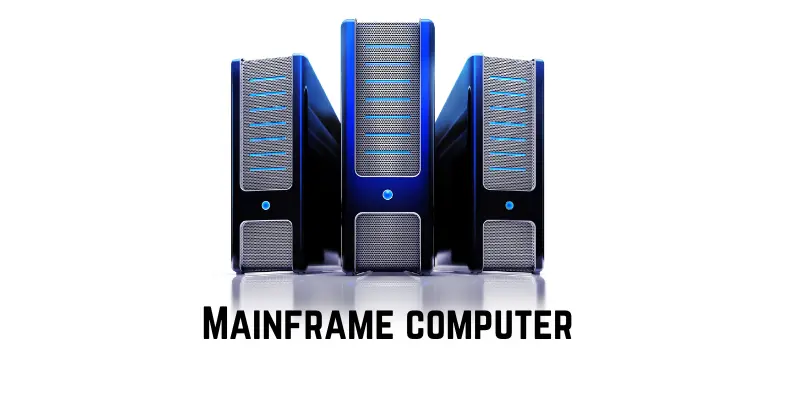
Mainframes are large, powerful computers designed to handle massive amounts of data and multiple users simultaneously. Organizations like banks, government agencies, and research centers use mainframes to process transactions, store critical data, and perform large-scale calculations efficiently.

Supercomputers
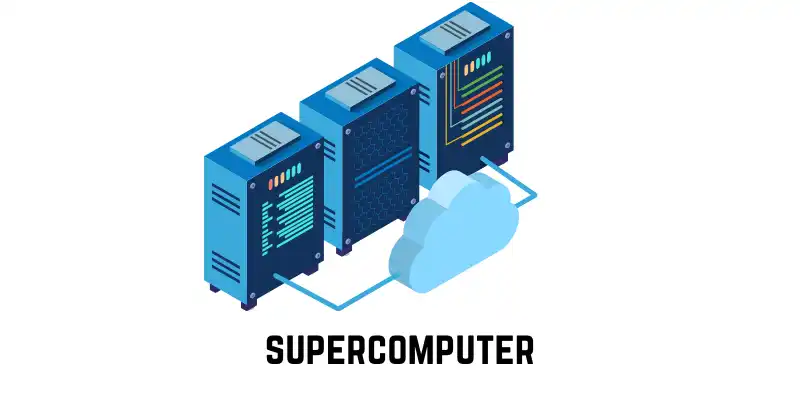
Supercomputers represent the pinnacle of computing power. They process huge datasets at incredible speeds, solving complex problems in science, engineering, and weather prediction. Researchers use supercomputers to simulate climate models, design advanced materials, and explore scientific theories that are impossible to calculate manually.
Classification Based on Data Processing
Computers can also be classified according to how they process data. The three main types are analog, digital, and hybrid computers.
Analog Computers
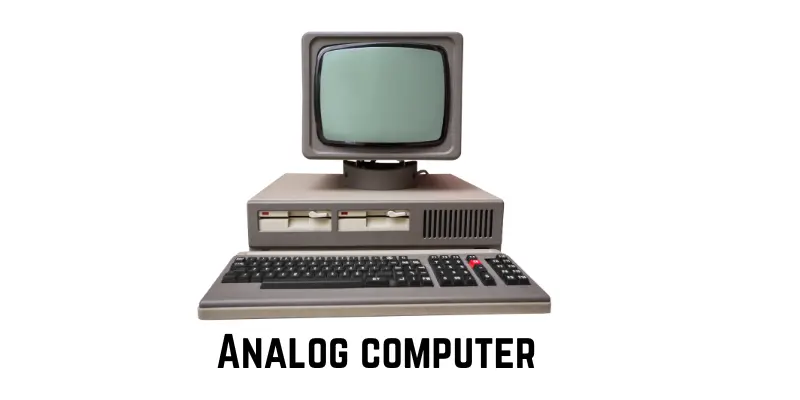
Analog computers work with continuous data, such as temperature, speed, or pressure. They represent real-world values directly and are often used in fields like weather monitoring, engineering, and scientific simulations. Unlike digital computers, analog systems measure changes in physical quantities instead of converting them into numbers.
Digital Computers
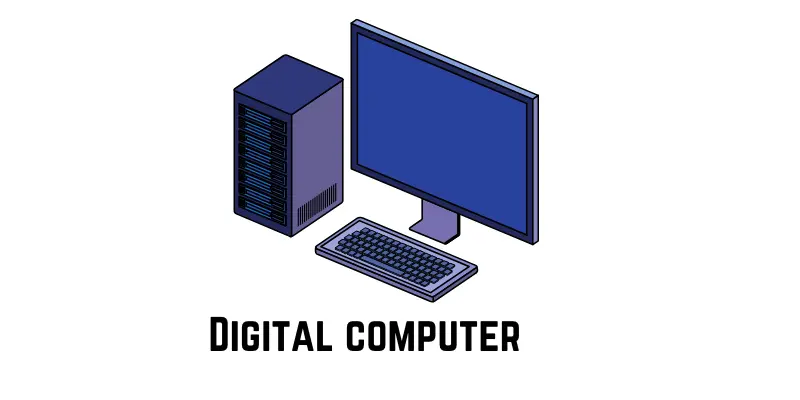
Digital computers are the most common type today. They process data in binary form (0s and 1s), performing calculations and providing precise results. Digital computers power most everyday devices, from laptops and smartphones to office servers and gaming systems. Their accuracy and versatility make them suitable for a wide range of applications.

Hybrid Computers
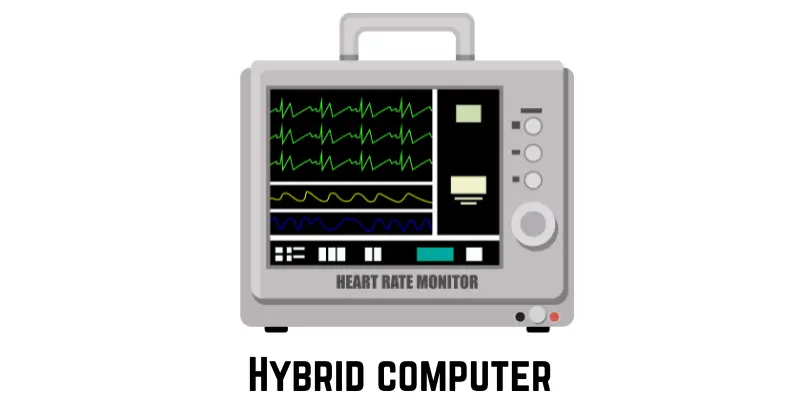
Hybrid computers combine the strengths of analog and digital systems. They can handle real-world data while performing numerical calculations simultaneously. Hospitals, for example, use hybrid computers in medical equipment to monitor patient vitals and analyze results quickly. This dual capability allows hybrid computers to deliver both speed and precision.
Classification Based on Function
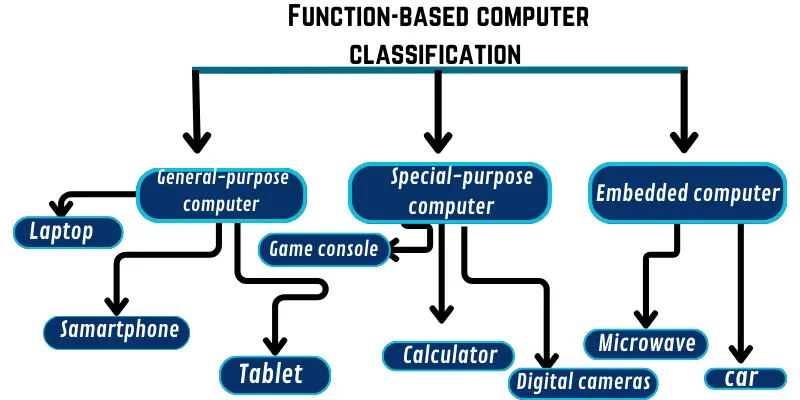
Function-based classification focuses on what the computer is designed to do. This category is divided into general-purpose, special-purpose, and embedded computers.
General-Purpose Computers
These computers serve a variety of tasks and are widely used in homes, schools, and offices.
- Laptops: Portable computers with integrated screens, keyboards, and batteries, suitable for work, travel, and study.
- Tablets: Lightweight, touch-screen devices ideal for reading, browsing, and light computing tasks.
- Smartphones: Mobile devices that combine communication and computing functions, enabling calls, messaging, internet access, and app usage.
Special-Purpose Computers
Special-purpose computers are designed for specific tasks, providing optimized performance for their intended applications.
- Game Consoles: Devices for playing video games, often connected to a TV or monitor and operated using controllers.
- Calculators: Compact devices for performing arithmetic operations quickly and accurately.
- Digital Cameras: Electronic devices for capturing images and videos, storing them digitally on memory cards instead of using film.
Embedded Computers
Embedded computers are small, specialized systems integrated into larger devices to control functions and automate processes. Common examples include:
- Microwaves: Use embedded systems to manage cooking time and power levels efficiently.
- Cars: Modern vehicles contain multiple embedded computers controlling functions like engine performance, navigation, and safety systems.
Embedded computers make everyday devices smarter, more efficient, and responsive to user needs.
Why Computer Classification Matters
Understanding the classification of computers is crucial for choosing the right device for specific purposes. Students, professionals, and organizations can save time, resources, and money by selecting computers that match their requirements. For example, a microcomputer is perfect for personal use, while a mainframe or supercomputer suits large-scale data processing tasks. Similarly, digital computers dominate general applications, whereas hybrid computers excel in specialized fields like healthcare.
Moreover, function-based classification highlights how computers integrate into modern life. Embedded systems power everyday appliances, special-purpose computers enhance entertainment and productivity, and general-purpose computers remain indispensable tools for work, study, and communication.
Frequently Asked Questions:
What does the classification of computers mean?
The classification of computers groups them based on size, function, or data processing type. This helps users choose the right computer for tasks like gaming, studying, or scientific research.
What are the types of computers based on size?
Computers based on size include microcomputers (PCs), minicomputers, mainframes, and supercomputers, each designed for different users and workloads.
How are computers classified by data processing?
Computers can be analog, digital, or hybrid. Analog computers handle continuous real-world data, digital computers process numbers precisely, and hybrid computers combine both approaches for speed and accuracy.
What are general-purpose computers?
General-purpose computers include laptops, tablets, and smartphones. They are versatile devices used for work, education, communication, and entertainment.
What is a special-purpose computer?
Special-purpose computers are designed for specific tasks, such as game consoles, calculators, and digital cameras, providing optimized performance for their functions.
What are embedded computers?
Embedded computers are built into devices to control specific functions. Examples include microwaves, cars, and smart appliances, making everyday devices smarter and more efficient.
Why is understanding computer classification important?
Knowing the classification of computers helps users select the right device for their needs, improves efficiency, and ensures optimal performance in personal, business, or research applications.
Conclusion
Understanding the classification of computers is essential for anyone navigating today’s digital world. By exploring their sizes, data processing capabilities, and functions, we gain clarity on which computer best suits specific tasks—from everyday personal use to advanced scientific research. Microcomputers and laptops provide convenience and versatility, while mainframes and supercomputers deliver unparalleled power for large-scale operations. Similarly, digital, analog, and hybrid computers showcase the diversity of processing methods, and embedded systems highlight how computing integrates seamlessly into modern devices.