

Close Menu
News TwinsNews Twins

    Subscribe to Updates

    Get the latest creative news from FooBar about art, design and business.

    What's Hot

    A Weekly Review Notebook That Closes the Week Calmly

    October 31, 2026

    Thinner Arctic Sea Ice Leaves Winter Cover More Fragile

    October 31, 2026

    Flashcards Help Students Remember More With Less Cramming

    October 30, 2026
    Facebook X (Twitter) Instagram
    News TwinsNews Twins
    • Home
    • News
    • Business
    • Tech
    • Ai
    • Celebrity
    • Health
    • Politics
    News TwinsNews Twins
    Home»Blog»Thinner Arctic Sea Ice Leaves Winter Cover More Fragile
    Blog

    Thinner Arctic Sea Ice Leaves Winter Cover More Fragile

    Yaw AdjeiBy Yaw AdjeiOctober 31, 2026No Comments0 Views
    Facebook Twitter Pinterest LinkedIn WhatsApp Reddit Tumblr Email
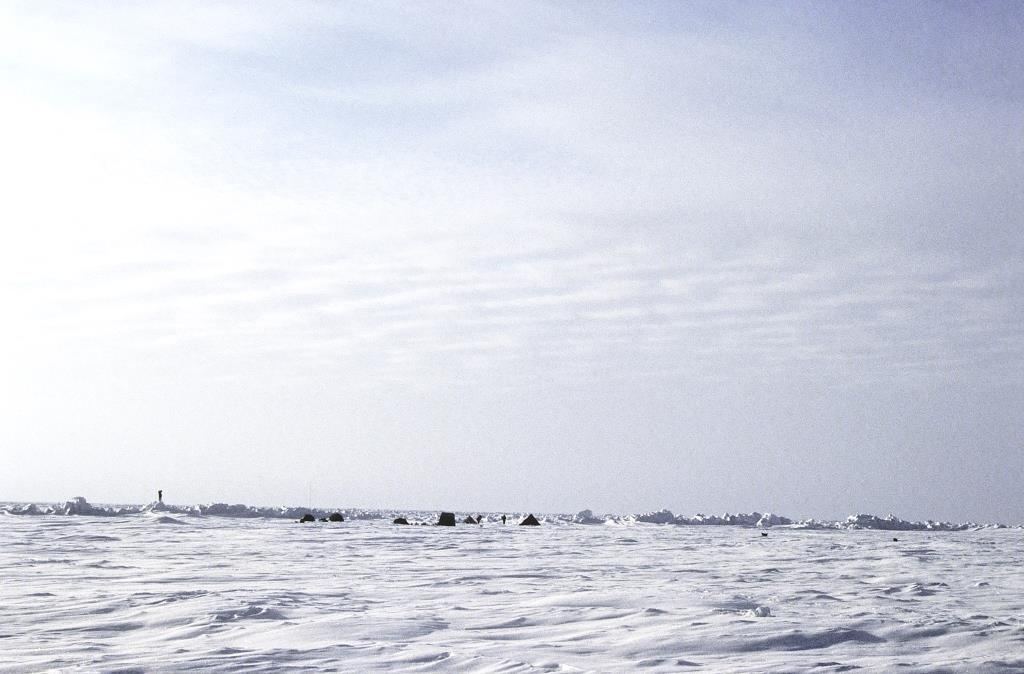
    Arctic sea ice stretching across a cold ocean under pale polar light, with leads of dark open water.
    Share
    Facebook Twitter LinkedIn Pinterest Email

    Arctic sea ice is increasingly dominated by thin, first-year ice that forms each autumn and melts the following summer, replacing older, thicker floes that once survived several seasons. Satellite and airborne measurements show that this younger cover is far more vulnerable to warm winds and ocean heat. The shift matters because thin ice breaks up earlier, exposing dark water that absorbs sunlight and accelerates regional warming during the long polar night and the following spring season.

    What the Evidence Shows

    Researchers track thickness as carefully as surface area, since a wide but thin ice pack can disappear quickly during an unusually warm spell in spring. Field teams combine drilled measurements, autonomous buoys, and radar altimetry to build a fuller picture of winter growth and summer loss. Those records also help shipping forecasters, coastal communities, and wildlife specialists anticipate how navigable and stable the ice will be during the coming melt season and subsequent freeze-up. Reporting and analysis from sources such as Nature track the same developments, and specialists following thin first-year Arctic sea ice say the direction is now consistent across independent lines of evidence.

    The Wider Context

    The wider context is a research landscape in which replication and open data now decide reputations. Findings connected to thin first-year Arctic sea ice are being checked by independent groups with shared datasets, and the teams involved publish their methods in full so rivals can test every step. That discipline is slower than a headline cycle, but it is why results in this area increasingly survive first contact with scrutiny.

    What Happens Next

    What happens next in the story of thin first-year Arctic sea ice will be decided by follow-up work already under way: larger samples, longer observation and instruments that have not yet come online. The researchers involved are unusually united on one point, that the current results justify the next investment of time and money. Readers will not have to wait long for the first tests of that claim. You can follow related developments in our coverage of science.

    None of this will be settled by a single announcement, study or product launch. The pattern to watch is accumulation: independent confirmations, honest reporting of failures and steady improvement in the underlying numbers. Readers who follow those signals, rather than the loudest claim of the week, will understand this subject better than most of the commentary surrounding it suggests is possible.

    There is a practical lesson in all of this for readers deciding what to do today. Start with the verified facts, be wary of anyone promising certainty, and prefer reversible steps while the evidence is still developing. Circumstances differ by country, income and personal situation, so general guidance should always be weighed against your own context before you act on it in any significant or lasting way.

    arctic climate science sea ice
    Share. Facebook Twitter Pinterest LinkedIn Tumblr Telegram Email
    Yaw Adjei

    Related Posts

    Europa’s Salts May Reveal Where Its Ocean Reaches Up

    October 30, 2026

    Plume-Hunting Instruments Prepare for Europa Flybys

    October 29, 2026

    New Valleys Emerge as Glaciers Retreat From Mountain Basins

    October 28, 2026
    Leave A Reply Cancel Reply

    Recent Posts

    • A Weekly Review Notebook That Closes the Week Calmly
    • Thinner Arctic Sea Ice Leaves Winter Cover More Fragile
    • Flashcards Help Students Remember More With Less Cramming
    • Europa’s Salts May Reveal Where Its Ocean Reaches Up
    • Smart Home Devices Get a Shared Local-Control Standard

    Recent Comments

    No comments to show.
    Demo
    Top Posts

    United States elections shaping global political influence

    May 24, 20264

    Digital Twins: Virtual Copies of Factories, Cities and Hearts Take Off

    October 24, 20262

    Digital Twins in Industry: Factories That Rehearse Before They Act

    October 21, 20262

    News media shaping public opinion and awareness

    May 24, 20262
    Don't Miss
    Health

    A Weekly Review Notebook That Closes the Week Calmly

    By Yaw AdjeiOctober 31, 20260

    At the kitchen table on a quiet evening, a notebook opened to the same two pages each week offers a simple way to close one week before the next.

    Thinner Arctic Sea Ice Leaves Winter Cover More Fragile

    October 31, 2026

    Flashcards Help Students Remember More With Less Cramming

    October 30, 2026

    Europa’s Salts May Reveal Where Its Ocean Reaches Up

    October 30, 2026
    Stay In Touch
    • Facebook
    • Twitter
    • Pinterest
    • Instagram
    • YouTube
    • Vimeo

    Subscribe to Updates

    Get the latest creative news from SmartMag about art & design.

    Demo
    About Us

    News Twins is a trusted platform delivering the latest news, insights, and updates across multiple topics, keeping readers informed with accurate and engaging content worldwide.

    Stay connected with News Twins for reliable, fast, and informative news coverage designed to provide clear updates and valuable information.

    Our Picks

    A Weekly Review Notebook That Closes the Week Calmly

    October 31, 2026

    Thinner Arctic Sea Ice Leaves Winter Cover More Fragile

    October 31, 2026
    Contact Us

    If you have any questions or need further information, feel free to reach out to us at:

    Email: davidpowellofficial@gmail.com
    Telegram: @davidpowellofficial
    Phone: +358 44 952 3404

    Address: 742 Evergreen Terrace, Springfield, IL 62704, USA.

    © 2026 | All Rights Reserved By | News Twins.
    • About Us
    • Contact Us
    • Disclaimer
    • Privacy Policy
    • Terms and Conditions
    • Write for Us

    Type above and press Enter to search. Press Esc to cancel.

    WhatsApp us