


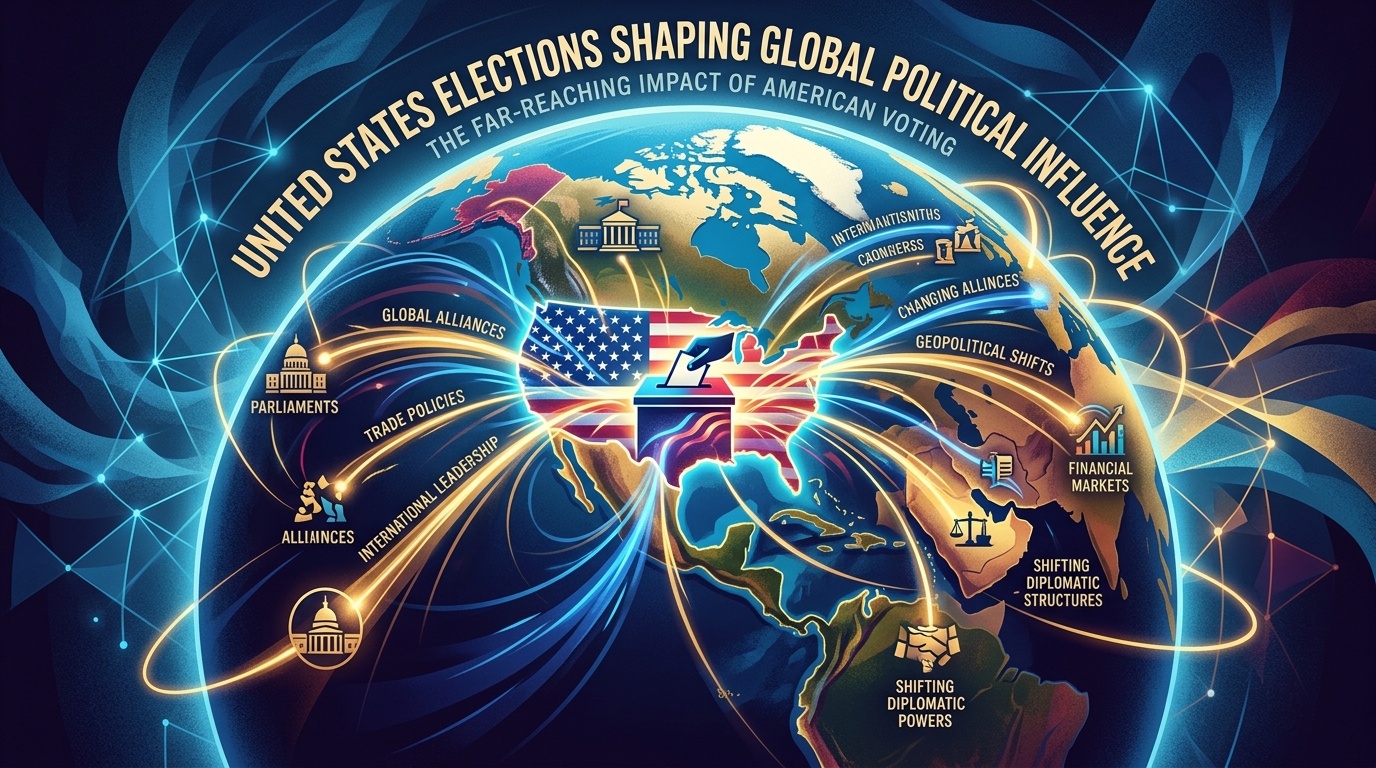
United States elections are among the most closely watched political events in the world because their outcomes influence global diplomacy, trade, security, and financial markets. As one of the most powerful nations, the United States plays a central role in shaping international policies, and its electoral decisions often create ripple effects across continents, affecting both allies and competitors in the global political landscape.
Global Impact of US Presidential Elections
Foreign Policy Direction Changes
US presidential elections often lead to shifts in foreign policy priorities, including alliances, military engagement, and diplomatic relations. Changes in leadership can alter global strategies on issues such as war, peacekeeping, and international cooperation, influencing how other countries adjust their own foreign policies in response.
International Security Influence
Election outcomes in the United States can reshape global security frameworks through defense spending decisions and military alliances. Organizations such as NATO are directly impacted by US leadership priorities, which affect global stability and security cooperation across different regions.
Trade and Economic Policy Shifts
US elections significantly impact global trade policies, tariffs, and economic agreements. Changes in administration can influence international markets, affecting export-import relationships and economic growth strategies in both developed and developing nations connected to the US economy.
Climate Policy Leadership Role
The United States plays a major role in global climate agreements, and election results determine its level of participation in environmental initiatives. Policy changes can influence international climate action, renewable energy investments, and global sustainability commitments.
Global Diplomatic Relations
US elections affect diplomatic relationships with major global powers, shaping cooperation or tensions in international politics. Leadership changes can redefine engagement strategies with countries in Europe, Asia, and the Middle East, influencing global political stability.
Economic Influence on Global Markets
Stock Market Reactions
Global financial markets often respond immediately to US election results due to uncertainty or optimism about future economic policies. Investors adjust portfolios based on expected changes in taxation, regulation, and government spending, influencing worldwide market trends.
Currency Value Fluctuations
The US dollar plays a central role in global finance, and election outcomes can impact its value. Shifts in economic policy expectations influence currency exchange rates, affecting international trade and financial stability across multiple economies.
Global Investment Trends
Foreign investors closely monitor US elections when making investment decisions. Policy directions related to business regulation, taxation, and infrastructure spending can either attract or discourage global capital flow into the United States.
Energy Market Reactions
US energy policies influenced by elections affect global oil, gas, and renewable energy markets. Decisions regarding production, environmental regulation, and energy independence have international consequences for pricing and supply chains.
International Trade Agreements
Elected US leaders determine participation in trade agreements that shape global commerce. Changes in trade policy can strengthen or weaken economic partnerships with multiple countries, impacting global supply chains and industrial cooperation.
Geopolitical Power and Strategic Influence
Military Alliance Strengthening
US elections influence defense alliances and military cooperation worldwide. Decisions about NATO commitments, military aid, and global deployment strategies affect geopolitical balance and international security structures.
Global Conflict Mediation Role
The United States often plays a key role in mediating international conflicts. Election outcomes can change diplomatic approaches to peace negotiations, sanctions, and conflict resolution efforts in unstable regions.
Intelligence and Security Cooperation
US leadership determines levels of intelligence sharing and cooperation with global partners. Election results can strengthen or weaken international security collaborations that address terrorism, cyber threats, and organized crime.
Sanctions and Foreign Pressure Policies
Elected administrations decide on economic sanctions and diplomatic pressure strategies against certain countries. These decisions influence global political relationships and can reshape international alliances and tensions.
Global Leadership Positioning
The United States’ role as a global leader is shaped by election outcomes, affecting its influence in international organizations and global decision-making bodies such as the United Nations.
Media, Technology, and Information Influence
Global Media Coverage Impact
US elections receive extensive international media coverage, shaping global public opinion. News reporting influences how other nations perceive American leadership and political direction.
Social Media Political Influence
Digital platforms amplify US election discussions worldwide, spreading political narratives across borders. Social media engagement increases global awareness and debate about American political trends.
Technology Policy Changes
Election outcomes influence US technology regulations, affecting global tech companies and digital markets. Policies on data privacy, artificial intelligence, and cybersecurity have international consequences.
Cybersecurity and Election Security
US elections highlight cybersecurity risks and global concerns about digital interference. Efforts to secure elections influence international cybersecurity standards and cooperation.
Information Flow and Global Narratives
US political campaigns shape global narratives through media and communication strategies, influencing how democracy and governance are perceived internationally.
Social and Cultural Influence Worldwide
Cultural Export Through Politics
US elections influence cultural trends through political messaging, media, and public discourse. Global audiences often adopt or react to American political culture and values.
Human Rights Policy Influence
US leadership decisions affect global human rights discussions and international policy pressure on governments regarding democracy, equality, and freedom.
Immigration Policy Effects
US election outcomes influence immigration laws, affecting global migration patterns and international workforce movement.
Education and Research Collaboration
US policies shaped by elections impact global academic partnerships, research funding, and international student opportunities.
Public Opinion and Global Awareness
US political debates increase global political awareness, encouraging discussions about democracy, governance, and civic participation worldwide.
Why do US elections matter globally?
US elections matter globally because they influence international politics, trade, security, and economic stability.
How do US elections affect other countries?
They affect other countries through changes in foreign policy, trade agreements, and diplomatic relations.
Do US elections impact global markets?
Yes, financial markets worldwide react to US election outcomes due to economic policy expectations.
Why is US foreign policy important?
US foreign policy shapes international alliances, security cooperation, and global conflict resolution.
How often are US presidential elections held?
US presidential elections are held every four years.
Conclusion
United States elections play a powerful role in shaping global political influence by affecting international relations, economic systems, security frameworks, and cultural dynamics. As leadership changes, the world adjusts to new policies and priorities that impact nearly every region. This global interconnectedness makes US elections not only a national event but also a major driver of international stability and change.
