


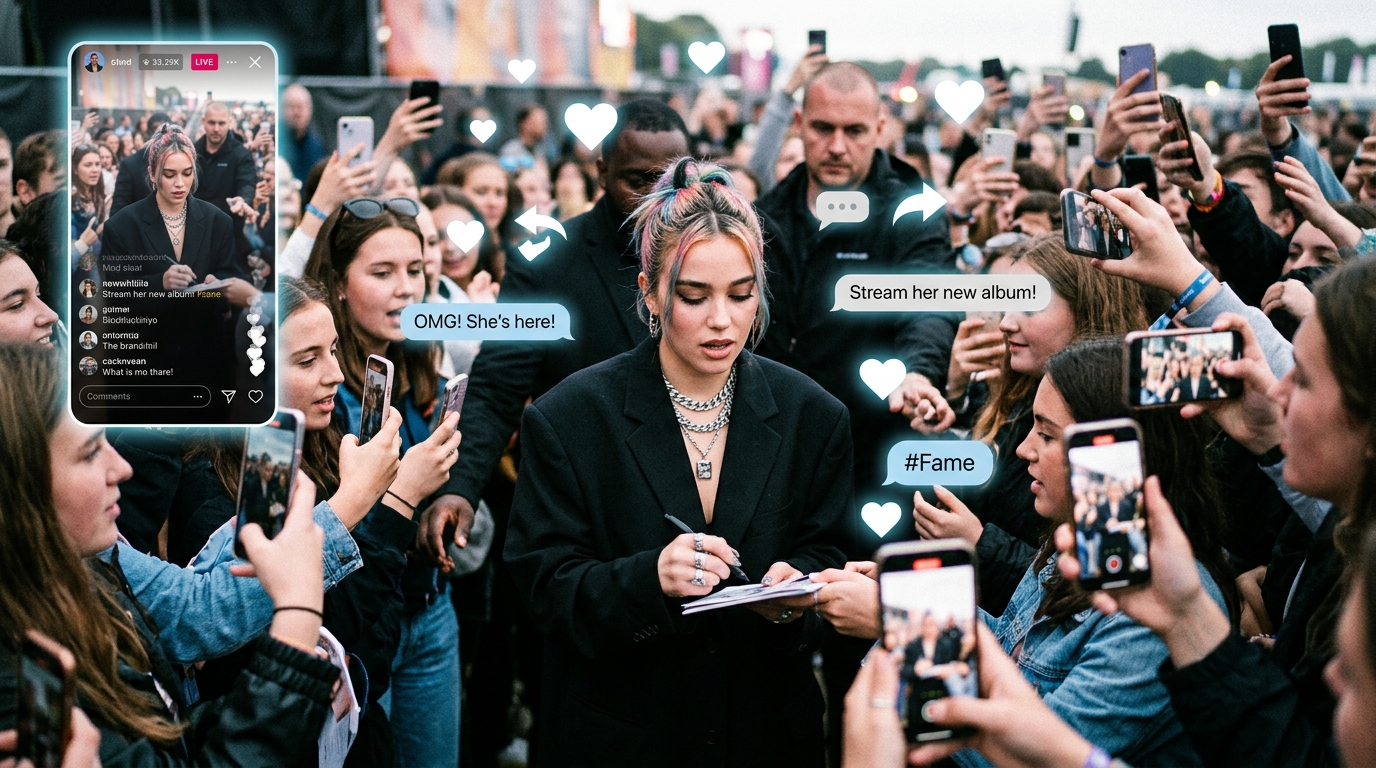
Social media has completely transformed modern celebrity fame by changing how public figures are discovered, promoted, and judged. In today’s digital world, platforms like Instagram, TikTok, and YouTube have replaced traditional gatekeepers such as studios and media agencies. Fame is now faster, more interactive, and more volatile, giving celebrities direct access to audiences while also exposing them to constant scrutiny, pressure, and public opinion.
Rise of Digital Celebrity Culture
Instant Fame Creation
Social media allows individuals to become famous overnight through viral videos, trending content, or viral moments. Unlike traditional fame, which required years of industry work, digital platforms can rapidly turn ordinary users into global celebrities within hours or days.
Influencer Economy Growth
The influencer economy has created a new category of celebrities who earn fame through content creation, brand partnerships, and audience engagement. These influencers often build personal brands that are more relatable and interactive than traditional entertainment figures.
Platform Driven Visibility
Algorithms on social media platforms determine what content becomes popular, giving celebrities visibility based on engagement rather than traditional media selection. This system rewards viral content and shapes modern fame dynamics significantly.
Global Audience Reach
Social media removes geographical boundaries, allowing celebrities to reach global audiences instantly. A single post can attract millions of viewers worldwide, increasing influence and expanding fan bases across different cultures and regions.
Fan Interaction Revolution
Celebrities can now communicate directly with fans through comments, live streams, and stories. This direct interaction creates a sense of closeness and loyalty, making fan relationships more personal and continuous than ever before.
Transformation of Celebrity Branding
Personal Brand Development
Social media enables celebrities to build and control their personal brands by sharing curated content that reflects their lifestyle, values, and identity. This branding plays a key role in maintaining relevance and public appeal.
Content Monetization Strategies
Modern celebrities monetize their social media presence through sponsored posts, affiliate marketing, and platform-based revenue systems. These strategies provide income streams beyond traditional entertainment contracts.
Image Control and Curation
Celebrities use social media to carefully manage their public image by selecting what to share and how to present themselves. This level of control helps shape audience perception and maintain popularity.
Cross Platform Expansion
Many celebrities expand their presence across multiple platforms to maximize reach and engagement. This multi-platform strategy helps them diversify audiences and strengthen their digital influence.
Brand Collaboration Growth
Social media has increased collaboration between celebrities and global brands. Companies partner with influencers to reach targeted audiences, creating mutually beneficial marketing opportunities.
Pressure and Mental Health Challenges
Constant Online Scrutiny
Celebrities face continuous evaluation from millions of users who comment on their appearance, actions, and opinions. This constant scrutiny can create emotional stress and anxiety.
Cancel Culture Effects
Cancel culture can rapidly damage a celebrity’s reputation due to controversial posts or statements. Public backlash spreads quickly online, often impacting careers and mental health significantly.
Performance Pressure Online
Celebrities must consistently produce engaging content to remain relevant. This pressure to stay visible and trending can lead to burnout and reduced creativity.
Privacy Erosion Issues
Social media reduces privacy by exposing personal moments to the public. Even private activities can become viral content, making it difficult for celebrities to maintain personal boundaries.
Comparison and Competition Stress
Social media encourages constant comparison among celebrities based on followers, likes, and engagement. This competitive environment can negatively affect self-esteem and mental well-being.
Influence on Public Perception
Reputation Shaping Power
Social media plays a major role in shaping how celebrities are perceived by the public. Positive or negative narratives can spread quickly and influence global opinion.
Viral News Impact
Information about celebrities spreads rapidly through viral posts, often before official confirmations. This speed can amplify both success stories and controversies.
Fan Driven Narratives
Fans actively contribute to shaping celebrity narratives by creating discussions, trends, and fan pages. These communities can significantly boost or damage reputations.
Media and Social Overlap
Traditional media now relies heavily on social media trends for celebrity news, blending professional journalism with user-generated content.
Public Accountability Increase
Social media holds celebrities more accountable for their actions, as public reactions are immediate and widespread, increasing transparency expectations.
Career Opportunities and Growth
Direct Audience Monetization
Celebrities can earn directly from followers through subscriptions, donations, and paid content, reducing dependence on traditional entertainment industries.
Independent Career Building
Social media allows celebrities to build independent careers without relying on agencies or studios, giving them more control over their professional paths.
Global Talent Discovery
Platforms help discover new talent quickly, allowing unknown individuals to gain recognition based on creativity and engagement rather than industry connections.
Marketing Power Expansion
Celebrities use social media influence to promote films, music, and products instantly, increasing reach and engagement for their projects.
Entrepreneurial Opportunities
Many celebrities launch businesses using their online popularity, turning digital fame into long-term entrepreneurial success.
Risks and Negative Effects
Misinformation Spread
False information about celebrities can spread rapidly on social media, damaging reputations before corrections are made.
Online Harassment Issues
Celebrities often face cyberbullying, hate comments, and trolling, which can affect emotional well-being and public engagement.
Identity Pressure Challenges
Maintaining a perfect online image can create pressure to constantly perform and hide personal struggles from the public.
Algorithm Dependency Risks
Celebrity visibility depends heavily on platform algorithms, making fame unstable and unpredictable over time.
Reputation Volatility Concerns
A single mistake or controversial post can significantly impact a celebrity’s career due to the fast nature of online reactions.
How has social media changed celebrity fame?
Social media has made fame faster, more global, and more interactive than traditional media.
Why do celebrities use social media?
They use it to connect with fans, build brands, and promote their work directly.
What are the risks of social media fame?
Risks include privacy loss, mental stress, cyberbullying, and reputation damage.
How do celebrities earn money from social media?
They earn through sponsorships, ads, brand deals, and paid content.
Does social media increase celebrity pressure?
Yes, it increases pressure due to constant visibility and public judgment.
Conclusion
Social media has redefined modern celebrity fame by making it faster, more accessible, and more influential while also increasing pressure, scrutiny, and competition. It has created new opportunities for branding and income but also introduced serious challenges related to privacy and mental health. In today’s digital age, celebrity success depends as much on online presence as on talent and traditional
